SMS Hospital Vadodara

Get an Appointment

Our simple to use, online appointment process makes it easy for you to book for any one of our services and doctors.

Get an Appointment

Our simple to use, online appointment process makes it easy for you to book for any one of our services and doctors.

Pain Management Hospital in Vadodara

Persistent pain can affect movement, sleep, work and overall quality of life. The Pain Management Department at SMS Hospital provides personalised evaluation and treatment for acute, chronic, musculoskeletal and nerve-related pain. Located in Makarpura, the department supports patients who need a Pain Management Specialist in Vadodara for pain that continues, returns frequently or limits normal activities.

Our team focuses on understanding the cause of pain and preparing a suitable treatment plan to support comfort, mobility and daily function. Patients looking for a Pain Clinic in Vadodara can consult us for assessment, treatment planning and follow-up care.
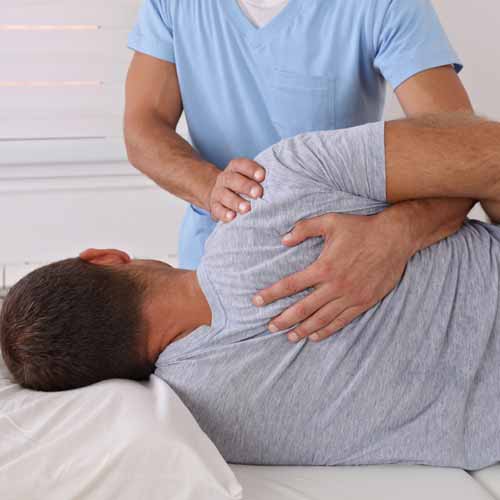
Comprehensive Pain Management at SMS Hospital

Pain management involves more than prescribing painkillers. Pain may be linked to injury, inflammation, arthritis, a spinal condition, damaged nerves, surgery, cancer treatment or another medical problem. The team considers its location, duration, intensity and effect on sleep, work and movement.

Because patients can experience the same condition differently, care should be personalised. A plan may combine medicines, physiotherapy, exercise, lifestyle guidance, psychological support and selected procedures. Interventional Pain Management may be considered when targeted procedures form part of a wider treatment programme.

Types of Pain We Treat

Acute Pain

Acute pain usually begins suddenly and may be connected with an injury, operation, inflammation or short-term medical condition. Treatment focuses on identifying the cause and supporting safe recovery.

Chronic Pain

Chronic pain continues or returns for an extended period and may affect sleep, mood, movement and daily activities. Patients seeking Chronic Pain Treatment in Vadodara may need medical care, rehabilitation and self-management support.

Neuropathic Pain

Neuropathic pain develops when nerves are irritated, injured or not functioning normally. It may feel burning, shooting, tingling, electric or numb. Careful examination is important before recommending Nerve Pain Treatment.

The department may also assess musculoskeletal pain, joint and spine pain, post-operative pain and cancer-related pain.

Conditions Treated by Our Pain Management Team

Treatment is selected after reviewing the cause, symptoms, medical history and examination findings.

Chronic back pain: Pain may be related to muscles, joints, discs, nerves or age-related changes. Patients requiring Back Pain Treatment in Vadodara receive an individual assessment before therapy is advised.

Neck and shoulder pain: Causes may include posture, muscle strain, joint changes or nerve irritation. Neck Pain Treatment in Vadodara may involve medicines, exercise, physiotherapy or selected procedures.

Sciatica: Sciatica can cause pain that travels from the lower back into the buttock or leg, sometimes with tingling, numbness or weakness.

Slipped disc-related pain: A disc problem may cause local pain or irritation of nearby nerves. Treatment depends on symptoms and neurological findings.

Arthritis and joint pain: Arthritis may cause pain, swelling, stiffness and reduced movement. Joint Pain Treatment can include medicines, activity planning, physiotherapy, injections or orthopaedic referral.

Knee and hip pain: Pain may develop due to arthritis, injury, overuse or another joint condition.

Neuropathic and diabetic nerve pain: Nerve pain may cause burning, tingling, sensitivity or altered sensation. Diabetic patients may also need coordinated blood sugar management.

Migraine and recurring headache: Repeated headaches require assessment to identify triggers, warning signs and the correct treatment or referral pathway.

Facial pain: Facial pain may be linked to nerves, dental conditions, sinus problems or other causes.

Fibromyalgia: This condition may involve widespread pain, fatigue, disturbed sleep and increased sensitivity.

Post-surgical pain: Pain that continues after expected healing may require reassessment for nerve, tissue or musculoskeletal factors.

Cancer-related pain: Care may be coordinated with Medical Oncology, Surgical Oncology and supportive-care teams.

Complex regional pain syndrome: Ongoing pain, swelling, sensitivity and movement changes after injury or surgery may require early specialist evaluation.

Patients may also be referred to Orthopaedics and Joint Replacement, Neurology, Neurosurgery, Medical Oncology or rehabilitation services when multidisciplinary input is needed.

Pain Assessment and Diagnosis

The specialist asks when the pain started, where it is located, how it feels, how severe it is and whether it travels to another area. Previous injuries, operations, medicines and treatments are also reviewed.

Assessment may include physical and neurological examination, movement testing and discussion of sleep or activity limitations. Imaging, blood tests or other investigations may be advised when clinically required. The treatment plan is based on the cause of pain, medical history, examination findings and individual needs.

Pain Management Treatments Available

Medication Management

Medicines may be considered after reviewing symptoms, medical history, current prescriptions and risk factors. Patients should not increase, stop or combine pain medicines without medical advice.

Pain-Relief Injections

Selected patients may benefit from targeted or image-guided injections after the pain source has been assessed. The exact procedure depends on the diagnosis, medical condition and available facilities. The specialist should explain its purpose, limitations and possible risks.

Physiotherapy and Exercise

Controlled exercise may support flexibility, strength, posture, balance and daily function. The programme should match the patient’s condition and tolerance and usually progresses gradually.

Lifestyle and Self-Management Support

Posture, activity planning, sleep, weight management and relaxation can influence persistent pain. Patients may be advised to divide demanding tasks into smaller steps, remain active within safe limits and avoid prolonged inactivity unless medically required.

When Should You Consult a Pain Specialist?

Consult a specialist when pain continues despite basic treatment, affects sleep or daily activities, becomes more frequent or limits movement. Assessment is also important when back or neck pain travels into the limbs, burning or numbness is present, pain continues after surgery or injury, or long-term medicines are not providing adequate support.

Sudden chest pain, breathing difficulty, loss of consciousness, severe weakness, loss of bladder or bowel control, or rapidly worsening neurological symptoms may require immediate emergency care.

Why Choose SMS Hospital for Pain Management?

SMS Hospital provides hospital-based evaluation with access to multidisciplinary support. Depending on the condition, the pain management team can coordinate with orthopaedics, neurology, neurosurgery, oncology and rehabilitation services.

Key benefits include:

The focus is to help patients understand their pain, consider suitable options and work towards improved comfort and daily function without promising a permanent cure or guaranteed result.

Book a Pain Management Consultation in Vadodara

Visit SMS Hospital at Ganesh Plaza, near Maneja Crossing, Makarpura, Vadodara, for personalised pain assessment and treatment planning.

Frequently Asked Questions

A pain specialist may assess chronic back pain, neck pain, sciatica, arthritis, joint pain, nerve pain, post-surgical pain, cancer-related pain and other persistent painful conditions. Treatment depends on the diagnosis and individual needs.

Visit a pain clinic when pain continues, returns frequently, affects sleep or mobility, or does not improve with basic treatment. Seek evaluation when pain is associated with tingling, numbness or weakness.

No. Pain management may combine medicines, physiotherapy, exercise, lifestyle guidance, psychological support and selected procedures according to the cause and type of pain.

The department evaluates chronic back pain and prepares a plan according to symptoms, examination and diagnostic findings. Referral to orthopaedics, neurology or neurosurgery may be advised when necessary.

Nerve pain may be managed using a personalised plan that can include medicines, rehabilitation, treatment of an underlying condition and selected procedures after specialist evaluation.

The doctor reviews the location, duration, pattern and intensity of pain, previous injuries, surgery and medicines. Physical examination, neurological assessment, imaging or laboratory tests may be used when required.

Call SMS Hospital on +91 81412 29911 or submit the online appointment form to request a consultation with the pain management team.