
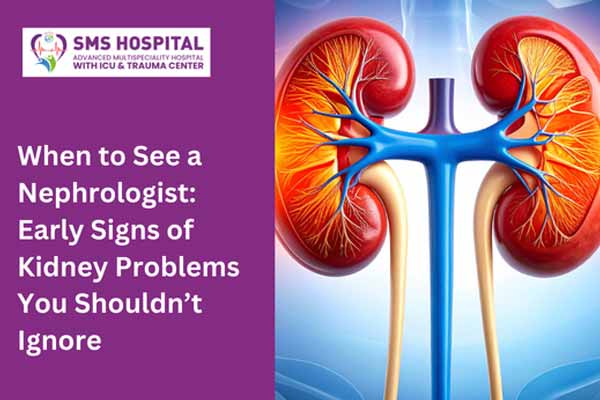
Our kidneys are the unsung heroes in the human body which is a fantastic machine. Each of these two bean-shaped organs filters approximately 120 to 150 quarts of blood each day to generate 1 to 2 quarts of urine to flush the waste and the extra fluid out. However, the twist to this is as follows: kidneys are very stoic. They are able to lose as much as 90% of their functionality before they begin to complain to an extent we hear.
Here we will be discussing when you should see a nephrologist, the soft signs you should observe and how early diagnosis will alter the destiny of your health.
What is a Nephrologist?
We will discuss the symptoms later but first, it is necessary to demystify one of the most prevalent misunderstandings about it. The question many people ask themselves is whether they ought to visit a urologist or a nephrologist.
Urologists are the surgical specialists who deal with structural complications of the urinary tract (kidney stones, bladder problems or prostate problems).
Nephrologists are the specialists in the inner medicine who are concerned with the functioning of the kidneys.
When your kidneys cannot filter the blood properly, as well as in case of chronic kidney disease, when your blood pressure is uncontrolled because of kidney problems, a nephrologist is the professional you are looking at. Consider them as the “engineers” to maintain the running of the filtration system.
Early Signs of Kidney Problems You Shouldn’t Ignore
Due to the ubiquitous nature of the kidneys in all your body processes such as the number of red blood cells in your body, the warning signs may be hidden in a place that no one would expect. The following are the most widespread initial symptoms:
1. Changes in Your Bathroom Habits
Such is usually the initial murmur of your kidneys. In case you start to wake up more than 2 times a night to urinate (or nocturia), the damaged kidney filters may be the reason why you have to go to the bathroom. In contrast, a major reduction in the urine output is also worrying.
2. The “Foamy Urine” Warning
When you make a few flushes before you can see the persistent presence of bubbles in your urine, be attentive. This foam is similar to the bubbles of the scrambling eggs since it contains albumin which is also a protein. Normal kidneys retain protein in the blood; foamy urine indicates that you have leaky filters.
3. Edema: Persistent Swelling
The failure of kidneys to eliminate extra sodium and fluid causes the said fluid to be forced somewhere. It commonly gets attached to the lower limbs.
- Ankles and Feet: In case of deep stockings or tightening of your shoes in the evening, you can have edema.
- Puffy Eyes: This is a typical symptom of excessive loss of protein in the urine; with puffy eyes, mostly in the morning, curing all through the day.
4. The Fatigue and “Brain Fog” Connection
In healthy kidneys a hormone known as erythropoietin (EPO) is produced that directs your body to generate oxygen carrying red blood cells. When the functioning of the kidneys reduces, production of the EPO reduces and causes anemia. This leads to constant fatigue, lack of energy and an overall sense of mental fogginess, which cannot be cured by a cup of coffee.
5. Itchy, Dry Skin
Unless the kidneys can still provide you with the appropriate balance of minerals and nutrients in your blood one may accumulate waste products (such as urea). This tends to present in the form of skin that is either itchy on the inside or uncharacteristically dry and scaly.
High-Risk Groups: Who Needs Early Screening?
You should not wait till you develop some symptoms, provided that you fall in any of the following groups. In the case of the high-risk group, awareness of when to visit a nephrologist would involve making appointments with preventive care visits.
- Diabetics: The major cause of kidney failure in all parts of the world is diabetes. The sugar in the blood is sand in the gears of the kidney filters.
- Hypertension (High Blood Pressure): It is a chicken and egg scenario of high BP impairs the kidneys and impaired kidneys increase the blood pressure further.
- Family History: In case the close relative failed kidneys or underwent dialysis, your genetic risk increases.
- Long-term use of Painkillers: A chronic interstitial nephritis can develop in conditions of regular NSAIDs (such as ibuprofen or some over-the-counter painkillers) use.
Understanding the “Report Card”: Common Kidney Tests
Once you see a specialist, the approximate number of tests that he/she will request is two:
eGFR: It is a blood test that determines the efficiency of your kidneys in processing waste as per your creatinine, age and gender levels.
- 90+: Normal
- 60-89: mild reduction (follow up required)
- Under 60: Stage IV of Chronic Kidney Disease (CKD).
Urine Albumin-to-Creatinine Ratio (UACR): This is a urine test that is used to specifically detect protein leakage. Any outcome that is above 30 mg/g is a high score of kidney damage at an early stage.
Conclusion
Kidneys are remarkably strong; they are not immortal. The challenge of kidney disease is that when you finally feel unwell, the disease would have progressed. You can be in control of your health by observing the first signs of kidney issues such as foamy urine, swelling and unexplained tiredness.
You should come now especially when you have diabetes, high blood pressure or have not particularly checked your kidney functioning in a year or so. The solution is early intervention, which is the difference between a controlled condition and a life-changing crisis.