
SMS Hospital Vadodara

Get an Appointment

Our simple to use, online appointment process makes it easy for you to book for any one of our services and doctors.

Get an Appointment

Our simple to use, online appointment process makes it easy for you to book for any one of our services and doctors.

Endocrinologist in Vadodara for Diabetes and Hormone Care

SMS Hospital provides specialist consultation for people looking for an Endocrinologist in Vadodara for diabetes, thyroid problems and other hormone-related conditions. The Diabetology and Endocrinology Department focuses on understanding symptoms, confirming the condition through suitable tests and preparing a personalised care plan. The department manages thyroid, pituitary, adrenal, diabetology, metabolic bone and reproductive endocrine disorders.

Hormones help control blood glucose, metabolism, growth, reproduction, stress response and bone health. When a gland produces too much or too little of a hormone, patients may experience tiredness, weight changes, irregular periods, weakness, excessive thirst or frequent urination. Because these symptoms may have different causes, proper evaluation by a qualified specialist is important.
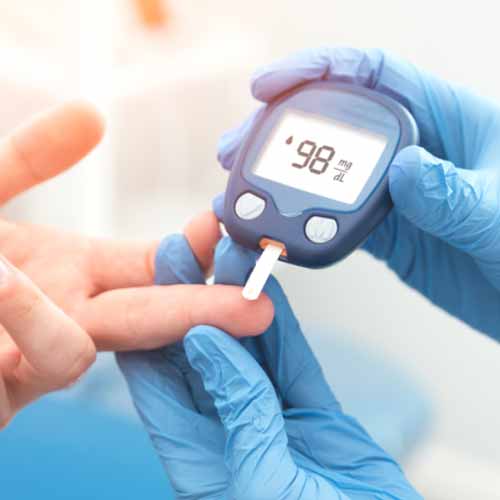
Complete Diabetes Care with a Diabetologist in Vadodara

Diabetes develops when blood glucose remains higher than normal. Common types include type 1 diabetes, type 2 diabetes and gestational diabetes. Some patients notice increased thirst, frequent urination, fatigue, blurred vision or unexplained weight loss, while others may have no clear symptoms.

A Diabetologist in Vadodara can assess symptoms, family history, lifestyle, current medicines and previous reports before recommending suitable tests. Patients searching for a Diabetes Specialist in Vadodara can receive guidance for newly detected diabetes as well as ongoing blood glucose management.

Care may include nutrition advice, physical activity, tablets, insulin or other injectable medicines, depending on the type of diabetes and the patient’s health. Regular monitoring is important because long-term high blood glucose can affect the heart, kidneys, nerves, eyes and feet.

Diabetes Hospital in Vadodara for Regular Monitoring

Patients with diabetes often need long-term medical support rather than a single consultation. As a Diabetes Hospital in Vadodara, SMS Hospital supports evaluation, treatment planning and follow-up for better blood glucose management.

Patients may be advised to monitor fasting and post-meal glucose, HbA1c, blood pressure, cholesterol and kidney health according to their condition. These tests help the doctor understand blood glucose control and identify health risks that may require attention.

A structured diabetes-care plan may also include meal planning, physical activity, weight management, foot care and safe medicine use. Patients should not change insulin doses or stop prescribed medicines without medical advice.

Endocrinology Hospital in Vadodara for Hormonal Conditions

An Endocrinology Hospital in Vadodara should provide patient-focused care for disorders involving glands such as the thyroid, pituitary, adrenal glands and pancreas. The endocrinology team reviews symptoms and medical history and may recommend blood tests, hormone tests, imaging or other investigations when needed.

Every patient requires a different care approach. The endocrinologist considers the patient’s age, symptoms, test results, existing health conditions and current medicines. Regular follow-up helps the doctor check hormone levels, review symptoms and adjust the treatment plan when required.

Hormone Specialist in Vadodara

Hormone-related problems can affect energy, mood, growth, fertility, menstrual cycles, sexual health and body weight. A Hormone Specialist in Vadodara evaluates whether these symptoms may be connected to the endocrine system or another medical cause.

Patients may seek consultation for:

Hormonal Imbalance Treatment in Vadodara begins with identifying the underlying cause rather than treating symptoms alone. The doctor may coordinate with gynecology, medicine, radiology or other departments when multidisciplinary care is needed.

Pituitary Disorder Treatment

The pituitary is a small gland located at the base of the brain. It helps control several other endocrine glands and influences growth, thyroid function, adrenal activity, reproduction and milk production.

Pituitary disorders may affect one or more hormones. Symptoms vary according to the hormone involved and may include headaches, vision changes, menstrual problems, weakness, fertility problems or unexpected changes in body growth and weight.

Pituitary Disorder Treatment depends on which hormone is affected and the cause of the condition. Evaluation may include blood tests, hormone tests and imaging when clinically required. Treatment may involve medicines, continued monitoring or referral for specialised procedures. The pituitary also plays an important role in controlling adrenal hormone production.

Adrenal Disorder Treatment

The adrenal glands produce hormones involved in blood pressure, metabolism and the body’s response to physical stress. Adrenal disorders can occur when these glands produce too much or too little of certain hormones.

Possible symptoms may include severe tiredness, weakness, blood-pressure changes, dizziness or unusual weight changes. These symptoms are not specific to adrenal disease, so medical evaluation and testing are essential.

Adrenal Disorder Treatment should begin only after a proper diagnosis. The endocrinologist may recommend blood tests, hormone tests and other investigations based on the symptoms. Patients taking long-term steroid medicines should never stop them suddenly without medical advice because sudden withdrawal can cause serious complications in some cases.

Metabolic Bone Disorder Treatment

Hormones and minerals play an important role in maintaining bone strength. Metabolic bone disorders may be linked with vitamin D, calcium, phosphorus, parathyroid hormone or other endocrine factors.

Some people experience bone pain, muscle weakness or repeated fractures, while others may not have noticeable symptoms during the early stage. Risk may also be influenced by age, menopause, nutritional deficiencies, hormonal problems and the long-term use of certain medicines.

Metabolic Bone Disorder Treatment may involve reviewing nutrition, medicines, hormone levels and bone-health risk factors. Depending on the condition, the specialist may recommend blood tests, a bone-density assessment, supplements, lifestyle changes or other treatment.

Reproductive Endocrine and Hormonal Care

Reproductive endocrine disorders can affect menstrual cycles, fertility and puberty. Patients may require evaluation for irregular periods, delayed or early puberty, polycystic ovary-related concerns or other reproductive hormone problems.

The treatment plan depends on the patient’s age, symptoms, test findings and future pregnancy plans. The endocrinologist may also coordinate care with a gynecologist when the condition affects reproductive health.

Why Choose SMS Hospital?

SMS Hospital provides diabetology and endocrinology care within a multispeciality hospital setting in Vadodara. This supports coordination with cardiology, nephrology, gynecology, internal medicine and other departments when diabetes or hormonal conditions affect more than one body system.

The department focuses on:

Patients should bring previous laboratory reports, prescriptions, glucose records, scan reports and a list of current medicines to their appointment. These details can help the specialist better understand their medical history and current health condition.

Book an Endocrinology Appointment in Vadodara

Consult an Endocrinologist in Vadodara if you have persistent symptoms of diabetes, thyroid disease or another possible hormonal disorder. Early evaluation can help identify the condition and support timely medical management.

Contact SMS Hospital to request an appointment with the Diabetology and Endocrinology Department for diabetes care, thyroid evaluation, hormone testing guidance and long-term endocrine health management.

Frequently Asked Questions

Consult an endocrinologist for diabetes, thyroid problems, unexplained weight changes, hormonal symptoms, growth concerns, weak bones or pituitary and adrenal disorders.

A diabetologist mainly treats diabetes. An endocrinologist manages diabetes along with thyroid, pituitary, adrenal, bone and other hormonal disorders.

Doctors may use fasting blood glucose, random blood glucose, HbA1c or an oral glucose-tolerance test depending on the patient’s symptoms and condition.

Many thyroid disorders can be managed with medicines and regular monitoring. The correct treatment depends on the type and cause of the thyroid condition.

Yes, SMS Hospital lists pituitary and adrenal disorders among the conditions managed by its Diabetology and Endocrinology Department. Confirm specialist availability while booking.

Bring previous blood reports, scans, prescriptions, glucose records and a complete list of medicines and supplements you currently take.

The follow-up schedule depends on blood glucose control, medicines, complications and overall health. Your doctor will recommend a suitable schedule.

Contact SMS Hospital through its appointment helpline or online appointment form and select the Diabetology and Endocrinology Department.

Medical Note: This content is for general awareness and does not replace consultation, diagnosis or treatment by a qualified medical professional.