
High Risk Pregnancy Consultation A Guide to Reports Questions and Care
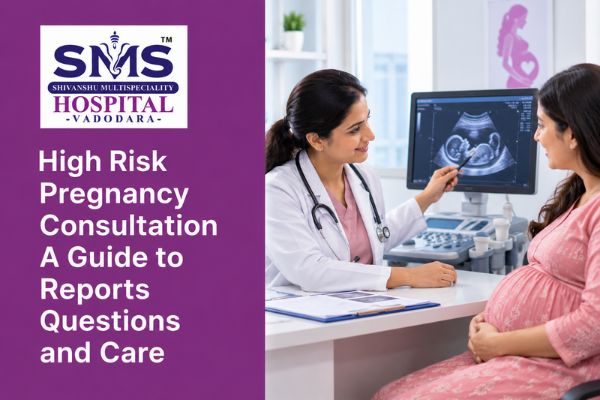
Turn Your Referral Into a Clear Pregnancy Care Plan
A high risk pregnancy consultation reviews the health of the mother and baby, identifies concerns needing closer attention and sets out the next steps. Bringing organised reports and a short question list helps the specialist understand your history and explain the plan.
The words high risk can feel unsettling when they first appear on a referral. Ask what specific concern led to that description. Knowing the reason helps you understand what will be monitored, which appointments matter and whom to contact between visits.
Understand Why Specialist Care Has Been Suggested
A pregnancy may need extra attention because of an existing medical condition, a previous pregnancy complication or a concern that develops during the current pregnancy.
Reasons may include high blood pressure, diabetes, kidney or thyroid conditions, twins or other multiple pregnancies, previous preterm birth, or concerns about the baby’s growth or placenta.
Ask what the label means for your pregnancy and how monitoring addresses the concern.
Arrange Your Records Before the Appointment
Keep reports in date order, with the most recent documents easy to find. Bring complete reports rather than screenshots showing only a highlighted result.
| Record to Bring If Available | Why It Helps |
|---|---|
| Antenatal Card and Referral Letter | Shows the pregnancy history and reason for specialist review |
| Early Ultrasound and Due-Date Records | Helps establish the pregnancy timeline |
| Later Scan Reports and Available Images | Allows comparison of growth and earlier findings |
| Blood and Urine Test Reports | Provides existing information about maternal health |
| Screening or Genetic Test Results | Helps explain the findings and possible next steps |
| Previous Pregnancy and Delivery Records | Records complications, procedures and outcomes |
| Prescriptions and Home Monitoring Logs | Shows current treatment and readings over time |
Bring reports from other hospitals too. If a document is missing, tell the team what was done and where, rather than delaying a needed consultation.
Write a Short Summary of Your Pregnancy History
Before visiting, note your pregnancy stage, expected delivery date and the main reason for referral. Include earlier miscarriages, preterm deliveries, pregnancy-related blood pressure problems and previous caesarean operations where applicable.
List ongoing medical conditions, allergies, medicines and supplements. Mention treatment from another specialist and any recent admission.
Describe symptoms in your own words, including when they began and whether they are changing.
Ask What Each Recommended Test Will Change
Extra testing should have a clear purpose. Depending on the concern, the doctor may discuss scans, maternal blood tests, blood pressure or glucose monitoring, or assessments of the baby’s well-being.
Ask what the test can show, when it should be done and how the result could affect your care. Confirm whether any preparation is needed.
For screening results, ask whether the finding estimates a chance or establishes a diagnosis. Screening and diagnostic tests answer different questions. Further testing should be discussed with an explanation of its benefits, limitations and possible risks.
Clarify Who Will Coordinate Your Care
Your obstetrician may work with a fetal medicine specialist or another doctor managing an existing condition. Ask who will review results, prescribe treatment and update the overall pregnancy plan.
Confirm where reports should be sent and how you will receive advice after testing. If two prescriptions or instructions seem different, ask the teams to clarify them.
Do not stop prescribed medicines independently because of a pregnancy warning found online. Ask the treating doctor to review medicine suitability and explain any changes.
Leave With Instructions for Daily Life and Follow Up
Ask for advice suited to your condition about food, activity, work, travel and home monitoring. Confirm how readings should be recorded and what findings require contact with the care team.
High risk pregnancy does not automatically require bed rest or hospital admission. Your doctor should explain any restrictions and why they are needed.
Leave with your next appointment, test schedule and contact details. Discuss any difficulties attending visits or following instructions.
Discuss Delivery Planning Without Rushing the Decision
Discuss delivery timing, location and any newborn support required. The plan may change as new information becomes available.
A high risk label alone does not decide between vaginal birth and caesarean delivery. The recommendation depends on maternal health, the baby’s condition and obstetric findings.
If additional neonatal support may be needed, ask how it will be arranged.
Know Which Symptoms Cannot Wait
Seek medical attention immediately for heavy vaginal bleeding, leaking fluid, severe or persistent abdominal pain, breathing difficulty, chest pain, a severe headache, vision changes or fainting.
Once you are feeling the baby’s usual movements, a clear reduction or stopping of movement also needs prompt assessment. Do not wait until the next booked scan.
Tell the medical team that you are pregnant and describe the symptoms. Keep the care team’s contact details and a practical route to urgent assessment available.
Arrange a Pregnancy Consultation in Vadodara
SMS Hospital’s Obstetrics and Gynecology Department provides pregnancy care and high-risk pregnancy monitoring in Vadodara. Its Fetal Medicine Department supports specialist assessment and coordinated care when indicated.
Contact the hospital with your pregnancy stage and referral concern. Confirm specialist availability, required records and preparation instructions.
Conclusion
A prepared consultation helps turn a referral into understandable next steps. Bring your records, ask why closer care is needed and leave knowing the testing schedule, coordinating doctor and urgent contact route. The plan should reflect your pregnancy and be reviewed as circumstances change.
Frequently Asked Questions
Follow the timing advised by your obstetrician or referring doctor. Tell the appointment team the referral reason and pregnancy stage. Urgent symptoms need immediate assessment rather than routine booking.
Yes, contact the hospital and explain what is available. Bring existing records and details of previous tests. Missing paperwork should not delay an assessment your doctor has advised promptly.
Not necessarily. The specialist will review your records and decide what is needed. Ask whether the booking includes a consultation, scan or both, and confirm preparation instructions.
Ask about the hospital’s attendance policy. A support person may help remember information and practical instructions. You should also have an opportunity to discuss private concerns directly with the doctor.
Request separate charges for consultation, scans, laboratory tests and follow-up. Testing depends on the clinical findings. Confirm current prices and any insurance requirements directly with the hospital.
Discuss the transfer with the receiving team and bring complete pregnancy and treatment records. Confirm who will coordinate care and when the next review is due to avoid gaps in monitoring.
No. Delivery timing depends on the specific condition and the health of the mother and baby. Ask what findings could change the plan and when the decision will be reviewed.