
Dialysis Centre In Vadodara Cost Process Safety and Patient Care Guide
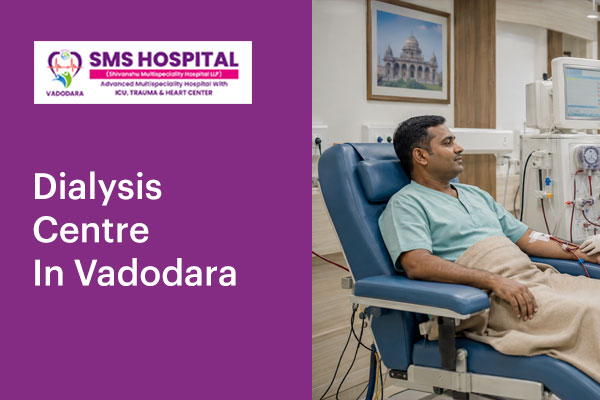
Dialysis Treatment in Vadodara: Process, Safety and Patient Care
Living with advanced kidney disease can bring many questions. What happens during dialysis? How often is it needed? How can you choose a safe centre? These questions matter because dialysis is often a regular treatment, not a one-time visit.
If you are searching for a Dialysis Centre In Vadodara, it helps to understand the treatment process before deciding. A dependable setup should focus on nephrologist supervision, trained staff, infection control, emergency support, patient comfort, and clear communication.
Why Is Dialysis Needed
Healthy kidneys remove waste and extra fluid from the blood and help balance important minerals. When kidney function becomes severely reduced, waste and fluid may build up and affect health.
Dialysis performs part of the work normally done by the kidneys. It does not cure kidney failure, but it can help remove waste and extra fluid when the kidneys can no longer manage these tasks well enough.
A nephrologist decides when dialysis is required after reviewing symptoms, blood tests, swelling, urine output, potassium levels, and other health factors. Patients should not start, delay, or stop dialysis based only on one report.
What Happens During Hemodialysis
Hemodialysis is a common form of dialysis provided in hospitals and dialysis centres. During treatment, blood passes through a special filter called a dialyzer and is returned to the body.
Before a session, the care team may check weight, blood pressure, pulse, temperature, and the dialysis access site. During treatment, patients are monitored because some people may feel tired, dizzy, cold, or develop cramps. Any discomfort should be reported quickly.
The number and length of sessions are different for each patient. The schedule depends on kidney function, fluid gain, laboratory reports, urine output, other conditions, and the nephrologist’s treatment plan.
How to Choose a Dialysis Centre In Vadodara
Choosing a dialysis centre is an important long-term healthcare decision. Location matters, but safety should come first.
Look for nephrology support and trained dialysis professionals. Ask how patients are monitored and what emergency support is available if blood pressure falls or another medical problem occurs.
Hygiene is equally important because dialysis requires repeated access to the bloodstream. Staff should follow proper hand hygiene, clean the access area correctly, and maintain dialysis equipment carefully.
For people who need regular sessions, travel time also matters. A centre within a practical distance in Vadodara can make it easier to attend treatment consistently.
Questions to Ask Before Selecting a Dialysis Centre
Patients and caregivers can ask:
- Is a nephrologist available for treatment planning?
- Are trained nurses and dialysis technicians present?
- What infection-control practices are followed?
- Is emergency medical support available?
- How are machines and water-treatment systems maintained?
- What is included in the dialysis charge?
- How are regular dialysis slots managed?
Clear answers help families compare centres based on safety, convenience, support, and cost.
Understanding Dialysis Cost in Vadodara
Dialysis cost can vary depending on the treatment type, number of sessions, doctor consultation, tests, medicines, injections, vascular access care, and insurance coverage.
Instead of comparing only the price of one session, ask what is included and what may be charged separately. Patients should also check whether insurance or an eligible government health scheme covers dialysis and related treatment. Confirm current rules directly with the provider or scheme authority.
Food Fluid and Access Care Between Sessions
There is no single diet plan for every dialysis patient. Fluid, salt, potassium, phosphorus, and protein needs may vary according to blood tests, urine output, medicines, and treatment type. Follow the diet advised by a nephrologist or renal dietitian.
Hemodialysis also needs a safe blood-access route, such as an AV fistula, graft, or catheter. Protect the access site and report redness, swelling, pain, warmth, unusual drainage, or fever to the medical team. Good access care helps reduce infection risk.
Conclusion
Finding the right Dialysis Centre In Vadodara becomes easier when patients know what to look for. Reliable dialysis care involves specialist guidance, trained staff, infection prevention, regular monitoring, proper access care, clear billing, and a schedule that can be followed consistently.
If dialysis has been advised, discuss the process, frequency, diet, medicines, costs, access care, and warning signs with a qualified nephrologist. Understanding the treatment journey can reduce fear and help families make informed decisions.
Frequently Asked Questions
Dialysis removes waste and extra fluid from the blood when the kidneys can no longer do this work well enough. A nephrologist decides when treatment is needed.
The duration depends on the treatment plan. Your nephrologist and dialysis team will explain the required session length and frequency.
Check nephrologist support, trained staff, infection control, emergency backup, equipment maintenance, travel distance, appointment availability, and transparent billing.
Dialysis itself is generally not painful, although needle insertion may cause brief discomfort. Some patients may experience cramps, dizziness, tiredness, or low blood pressure.
Many dialysis patients can travel with advance planning. Speak with the nephrologist first and arrange dialysis at the destination before travelling.
Diet restrictions differ for each patient. A nephrologist or renal dietitian may adjust salt, fluid, potassium, phosphorus, and protein based on individual needs.