
Joint Replacement Surgery in Vadodara
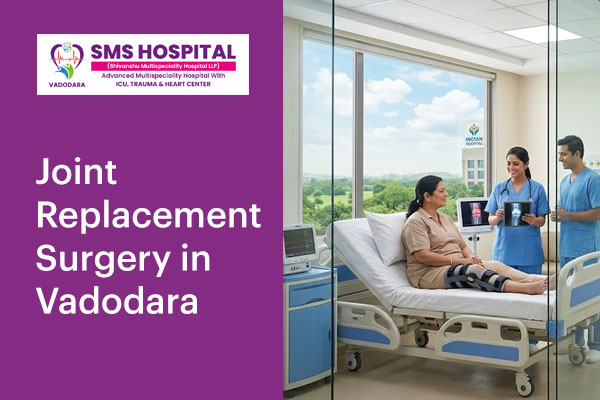
Joint Replacement Surgery and Fracture Treatment in Vadodara Explained
Joint pain and bone injuries can limit walking, sleep, work, and independence. People searching for Joint Replacement Surgery in Vadodara or Fracture Treatment in Vadodara need clear information before choosing care. Treatment depends on the affected joint or bone, damage level, health, activity needs, and response to earlier care.
Orthopaedic care does not always begin with surgery. Doctors may review symptoms, movement, medical history, X rays, and other tests. Medicines, physiotherapy, lifestyle changes, braces, or injections may be advised. Surgery is generally considered when pain, deformity, instability, or loss of function remains severe.
This information is educational and should not replace an individual medical examination.
When Is Joint Replacement Surgery Needed
Joint replacement removes damaged parts of a joint and replaces them with artificial components. Knee and hip replacements are common examples. The goal is to reduce pain, improve movement, and support daily activity.
Knee replacement may be recommended when severe damage causes major pain and difficulty walking or climbing stairs, particularly when medicines, therapy, and other treatments have not provided sufficient relief.
Patients considering Joint Replacement Surgery in Vadodara may have osteoarthritis, rheumatoid arthritis, injury-related joint damage, or problems with an older implant. The decision should be based on examination, imaging, health, and functional needs. Consultation should explain benefits, limitations, rehabilitation, and possible complications.
Choosing the Best Joint Replacement Surgeon in Vadodara
The Best Joint Replacement Surgeon in Vadodara should not be selected only through advertisements or online rankings. Patients should look for recognised orthopaedic qualifications, experience with the required hip or knee procedure, suitable hospital facilities, infection-prevention practices, and access to physiotherapy.
Ask about procedure experience, whether partial or total replacement is suitable, implant choices, and complication management. A responsible surgeon should explain:
- Expected improvement and limitations
- Pain-control methods
- Blood-clot prevention
- Wound-care instructions
- Walking and physiotherapy plans
- Follow-up appointments
- Possible surgical complications
Patients should feel comfortable asking questions. Seeking a second opinion before undergoing major joint replacement surgery is also reasonable.
Preparation and Recovery After Joint Replacement
Before surgery, patients may need tests, imaging, medical fitness assessment, medicine review, infection checks, and strengthening exercises. Preparing the home and arranging family support can make early recovery safer. Joint replacement is major surgery, and advance preparation can make movement and daily activities more manageable after discharge.
Movement and rehabilitation usually begin soon after surgery under professional guidance. Recovery varies between patients. Full recovery after knee replacement may take several months or longer, depending on health, procedure type, and participation in physiotherapy.
Possible risks include infection, blood clots, stiffness, nerve or tissue injury, persistent pain, and implant problems. Patients should understand warning signs and carefully follow discharge instructions.
Understanding Fracture Treatment in Vadodara
A fracture is a partial or complete break in a bone. Symptoms may include severe pain, swelling, bruising, deformity, tenderness, and difficulty moving the injured area. Suspected fractures need prompt medical assessment.
Fracture Treatment in Vadodara may involve a splint, cast, brace, closed reduction, or surgery. Many broken bones heal after correct alignment and immobilisation. Complicated, displaced, or unstable fractures may need plates, screws, rods, or nails to hold the bone in position while it heals.
An open fracture requires urgent medical care because a wound communicates with the broken bone, raising the risk of infection. Visible bone, heavy bleeding, numbness, poor circulation, a pale or cold limb, or rapidly increasing swelling are emergency warning signs.
Rehabilitation After a Fracture
Immobilisation can weaken muscles and cause stiffness in nearby joints. Physiotherapy, gradual weight bearing, prescribed medicines, follow-up imaging, and balanced nutrition may support recovery.
The orthopaedic surgeon decides when the patient can safely return to work, driving, exercise, sports, and full weight bearing. Patients should not remove a cast, stop using walking support, or begin strenuous activity without medical advice.
Older adults who fracture a bone after a minor fall may also need an osteoporosis assessment. Fragility fractures commonly affect the hip, spine, wrist, and upper arm and may indicate a greater risk of future fractures.
Benefits of Choosing Orthopaedic Care in Vadodara
Choosing local orthopaedic care can make consultations, imaging, dressing changes, physiotherapy, and urgent reviews easier. Patients from Vadodara and nearby areas can attend regular appointments without travelling long distances during recovery.
Choose a facility offering diagnosis, surgery when required, rehabilitation, and emergency support. Coordinated care is especially valuable after joint replacement or fracture surgery because doctors must regularly monitor pain, wound healing, mobility, and bone or joint recovery.
Conclusion
Joint replacement and fracture care should always be personalised. Anyone considering Joint Replacement Surgery in Vadodara should understand non-surgical options, surgical benefits, possible risks, and rehabilitation requirements before making a decision.
Timely Fracture Treatment in Vadodara can protect bone alignment, movement, and long-term function. The Best Joint Replacement Surgeon in Vadodara for an individual patient is one who combines relevant experience, careful planning, clear communication, safe hospital support, and structured follow-up care.
Frequently Asked Questions
Severe arthritis, joint deformity, injury-related damage, persistent pain, and reduced movement may require replacement when medicines, physiotherapy, and other treatments no longer provide sufficient relief.
Recovery depends on the joint, procedure, age, general health, and rehabilitation. Improvement occurs gradually, while complete knee-replacement recovery may take several months or longer.
Review the surgeon’s qualifications, procedure-specific experience, hospital facilities, infection control, physiotherapy support, communication, complication management, and explanation of treatment alternatives and recovery.
No. Stable fractures may heal with a cast, splint, or brace. Displaced, unstable, open, or complex fractures may require reduction and surgical fixation.
Seek urgent care for exposed bone, open wounds, severe deformity, uncontrolled bleeding, numbness, poor circulation, extreme swelling, or inability to move or bear weight.
Physiotherapy often helps restore movement, strength, balance, and confidence after joint replacement or fracture treatment. Exercises should be guided by the treating medical team.
Carry previous X rays, scans, reports, medicine lists, allergy details, treatment records, and notes describing pain, walking difficulty, injury history, and affected daily activities.