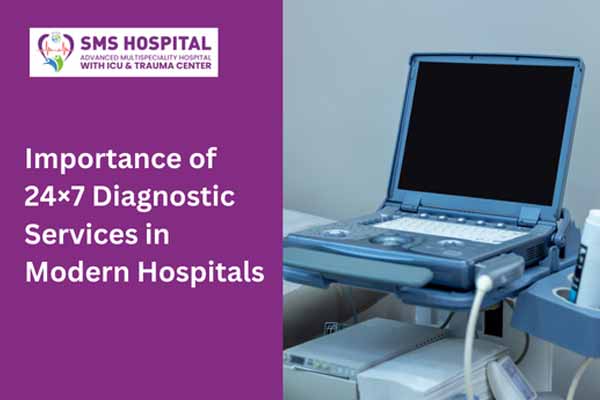
Healthcare has undergone major changes over the past decade. Modern hospitals are no longer limited to providing treatment only during standard working hours. Today, patients expect faster diagnosis, immediate care, and continuous medical support. One of the most critical elements that enables this level of care is 24×7 diagnostic services. These services ensure that medical tests such as blood work, imaging, and pathology are available at any time of the day or night.
Round-the-clock diagnostic services have become essential for hospitals aiming to provide high-quality healthcare. Whether it is a medical emergency, a late-night accident, or an urgent health concern, immediate access to diagnostic facilities can make the difference between life and death. This article explores why 24×7 diagnostic services are important in modern hospitals and how they improve patient outcomes, efficiency, and overall healthcare delivery.
Understanding 24×7 Diagnostic Services
Diagnostic services include medical tests that help doctors identify diseases, injuries, or health conditions. These services involve laboratory tests, imaging procedures, and advanced diagnostic technologies. In modern hospitals, diagnostics may include:
- Blood tests and pathology services
- X-rays, CT scans, and MRI scans
- Ultrasound imaging
- Cardiac diagnostic tests
- Emergency lab testing
When these services operate 24 hours a day, hospitals can immediately diagnose patients without waiting for laboratory or imaging departments to open. This continuous availability plays a major role in emergency medicine and critical care.
The Role of Diagnostics in Modern Healthcare
Diagnostics form the foundation of accurate medical treatment. Doctors rely on diagnostic reports to confirm diseases, evaluate patient conditions, and determine appropriate treatments. Without proper diagnostic support, even experienced doctors may struggle to make accurate medical decisions.
Modern healthcare systems emphasize evidence-based medicine, where treatment decisions are based on clinical data and test results. This makes diagnostic services one of the most important components of hospital infrastructure.
Research also shows that patients increasingly prioritize quick diagnostic results. According to a healthcare report, 82% of people prefer diagnostic centers for preventive checkups because they provide faster results and better service experiences.
This trend highlights the growing demand for efficient diagnostic services in healthcare facilities.
Why 24×7 Diagnostic Services Are Essential
1. Immediate Response to Medical Emergencies
Emergencies do not follow a schedule. Accidents, heart attacks, strokes, and severe infections can occur at any time. In such situations, immediate diagnostic testing is crucial for determining the correct treatment.
For example, trauma cases often require urgent imaging such as CT scans or X-rays to identify internal injuries. Delays in diagnosis can lead to severe complications or even death.
Studies also show that trauma cases form a large percentage of hospital emergencies. Chest injuries alone account for nearly 70% of poly-trauma admissions, highlighting the importance of rapid diagnosis in emergency care.
With 24×7 diagnostic services, hospitals can quickly identify critical conditions and start treatment without delay.
2. Faster Treatment Decisions
Doctors cannot always rely solely on physical examination to diagnose illnesses. Many conditions require laboratory confirmation before treatment begins.
For example:
- Blood tests confirm infections or metabolic disorders
- Imaging scans detect fractures or tumors
- ECG tests identify heart problems
If diagnostic facilities are unavailable at night, patients may have to wait several hours before tests are performed. This delay can worsen the patient’s condition.
24×7 diagnostic services eliminate this problem by providing immediate test results, allowing doctors to begin treatment quickly and effectively.
3. Better Patient Outcomes
Early diagnosis is one of the most important factors in successful medical treatment. Diseases such as cancer, heart disease, and infections respond better to treatment when detected early.
Round-the-clock diagnostic services help hospitals detect health problems quickly, which improves recovery rates and reduces complications.
Modern technologies such as artificial intelligence are also improving diagnostic accuracy. Advanced AI systems used in hospitals can detect multiple diseases from imaging scans with extremely high precision, sometimes reaching over 98% accuracy in identifying medical conditions.
Combining AI-based diagnostics with 24×7 laboratory services enables hospitals to deliver faster and more accurate medical care.
4. Reduced Patient Waiting Time
Long waiting times are one of the biggest frustrations for patients in hospitals. Delays in testing can extend hospital stays and increase patient stress.
Hospitals with 24-hour diagnostic facilities can perform tests immediately, reducing waiting periods significantly. Faster testing also allows doctors to discharge patients earlier when appropriate, improving hospital efficiency.
Data shows that faster report delivery is one reason diagnostic services are gaining popularity. For example, 71% of diagnostic reports are delivered within 48 hours in dedicated diagnostic centers, compared to only 47% in traditional hospital systems.
Hospitals offering round-the-clock diagnostics can compete with these centers by providing quicker results.
5. Improved Critical Care Management
Patients admitted to intensive care units (ICUs) require constant monitoring. Their condition can change rapidly, and doctors must frequently order tests to monitor vital parameters.
Examples of ICU diagnostic needs include:
- Blood gas analysis
- Electrolyte testing
- Cardiac enzyme tests
- Imaging scans for internal complications
24×7 diagnostic laboratories allow doctors to monitor critical patients continuously. Immediate access to test results helps healthcare teams adjust treatments quickly.
6. Enhanced Preventive Healthcare
Modern healthcare is shifting from treatment-based systems to preventive care models. Preventive healthcare focuses on identifying diseases before symptoms appear.
Routine health screenings often require diagnostic tests such as blood tests, imaging scans, and genetic screenings. With 24×7 diagnostic services, hospitals can provide flexible testing schedules for patients who may not be able to visit during regular hours.
Preventive healthcare programs are increasingly popular, especially in urban areas where busy lifestyles make daytime hospital visits difficult.
7. Integration with Digital Health Technologies
Healthcare technology is advancing rapidly, and diagnostics are becoming more digital and automated. Hospitals are investing heavily in digital health systems, artificial intelligence, and data-driven diagnostics.
Industry reports show that hospitals in India are expected to increase their IT innovation spending by 20–25% in the coming years, focusing on automation and data-driven healthcare solutions.
These technologies allow hospitals to process diagnostic data faster, integrate reports with electronic health records, and support telemedicine services.
When combined with 24×7 diagnostic operations, digital technology enables hospitals to deliver more efficient and personalized healthcare.
Key Diagnostic Services That Should Be Available 24×7
For hospitals to operate effectively, certain diagnostic services must remain available at all times.
These typically include:
Emergency laboratory tests
Blood tests, infection markers, and electrolyte analysis.
Radiology services
X-ray, CT scans, and MRI imaging for trauma or emergency cases.
Cardiac diagnostics
ECG monitoring and cardiac enzyme tests.
Ultrasound imaging
Used for pregnancy complications, internal bleeding, and organ evaluation.
Rapid infection testing
Tests for conditions such as malaria, dengue, or COVID-19.
Hospitals that provide these services around the clock are better equipped to handle emergencies and deliver timely care.
Benefits for Hospitals and Healthcare Systems
While 24×7 diagnostic services benefit patients, they also improve hospital operations.
Increased hospital efficiency
Faster diagnostics allow doctors to treat patients quickly, reducing bed occupancy and improving patient flow.
Higher patient trust
Hospitals offering round-the-clock services gain a reputation for reliability and quality care.
Better clinical decision-making
Continuous access to diagnostic data helps doctors make informed treatment decisions.
Competitive advantage
Hospitals with advanced diagnostic capabilities attract more patients and healthcare partnerships.
Challenges in Implementing 24×7 Diagnostic Services
Although the benefits are significant, implementing round-the-clock diagnostic services requires careful planning.
Some challenges include:
- High operational costs
- Requirement for skilled technicians and radiologists
- Maintenance of advanced diagnostic equipment
- Continuous quality control in laboratories
Hospitals must invest in training, technology, and infrastructure to maintain consistent service quality.
The Future of Diagnostic Services in Hospitals
The future of diagnostics is closely tied to technological innovation. Emerging trends include:
- AI-powered medical imaging
- Portable diagnostic devices
- Remote diagnostic monitoring
- Automated laboratory systems
- Tele-diagnostics and digital reporting
Many healthcare systems are already experimenting with new technologies such as health ATMs and portable diagnostic devices that can perform multiple tests instantly.
These innovations will further strengthen the role of 24×7 diagnostic services in modern healthcare.
Conclusion
Diagnostic services are the backbone of modern medicine. Accurate and timely diagnosis allows doctors to provide effective treatment and improve patient outcomes. In today’s fast-paced healthcare environment, hospitals cannot afford delays in testing or report generation.
24×7 diagnostic services ensure that patients receive immediate medical attention, regardless of the time of day. They play a vital role in emergency care, critical care management, preventive healthcare, and advanced medical treatment.
As healthcare continues to evolve, hospitals that invest in round-the-clock diagnostic infrastructure will be better positioned to deliver high-quality, patient-centered care. By combining continuous diagnostic services with digital technologies and advanced medical tools, modern hospitals can create a healthcare system that is faster, smarter, and more responsive to patient needs.